
Why Does a Window Fog Up Between the Panes?
Key takeaways
- Fog trapped between window panes means the hermetic seal of the insulated glass unit has failed.
- The insulating argon gas leaks out, moist air gets in, and the desiccant saturates until condensation forms.
- The unit cannot be resealed; the durable fix is replacing the glass unit, not the whole frame.
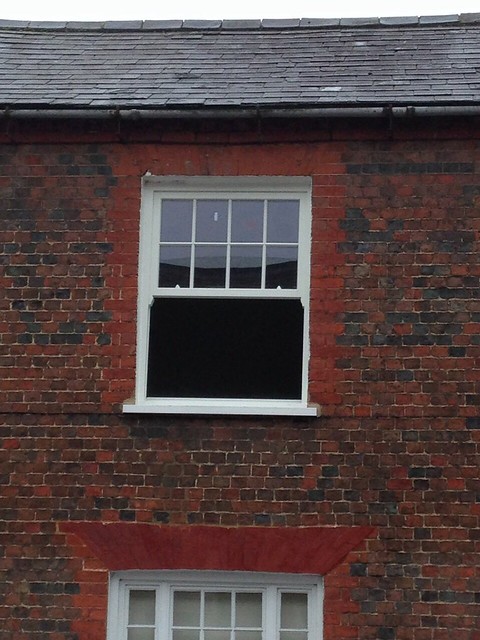
If you can wipe condensation off a window with a cloth, the glass is fine. If the fog sits between the panes where no cloth can reach, the window itself has failed. That fog is moisture trapped inside the sealed cavity of the window's glass unit, and it points to one cause: a broken perimeter seal.
Modern double- and triple-pane windows are built as insulated glass units, or IGUs. They are factory-sealed systems designed to keep heat in during winter and out during summer. This article explains how that seal works, why it fails, and what can actually be done about it.
What a window seal does
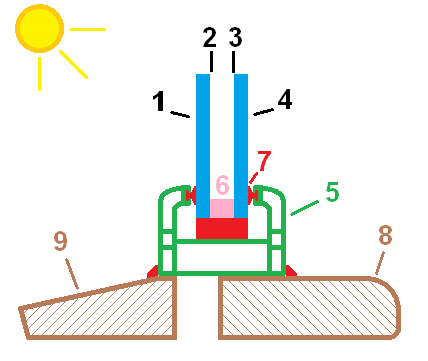
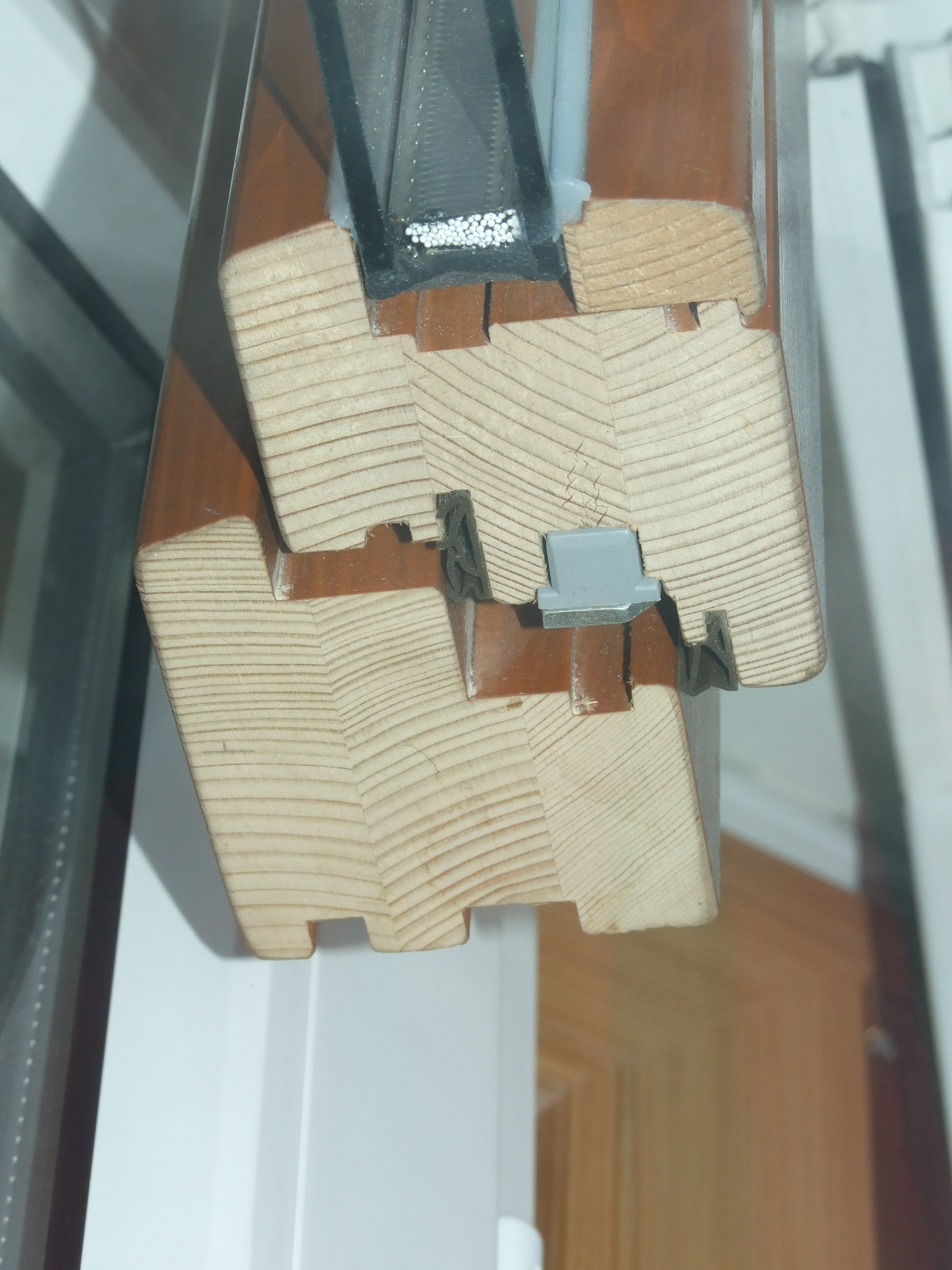
An insulated glass unit is two or more panes of glass held apart by a spacer bar around the perimeter. The sealed space between the panes is not filled with ordinary air. It is injected with a dense, inert gas, most commonly argon, sometimes krypton.
These gases conduct heat far more poorly than air, which is what gives the window its insulating power. The spacer bar itself often contains a desiccant, such as silica gel or a molecular sieve, that absorbs any residual moisture trapped inside during manufacturing.
The whole assembly is held together by a dual sealing system. A primary butyl seal forms the airtight vapor barrier, and a secondary polymer seal, usually polysulfide or silicone, provides structural strength. As long as both seals hold, the cavity stays dry and gas-filled for years.
Most high-quality IGUs last 10 to 20 years, according to industry estimates cited by OrganizerTone's glazing guide, though the range varies widely with manufacturer quality, installation, and local climate.
Why a window fogs up between the panes: how the seal fails
Seal failure almost always comes down to environmental stress wearing down the sealants over time. Two forces do most of the damage.
First, ultraviolet radiation from sunlight breaks down the synthetic polymers in the sealant. The material becomes brittle and loses its grip on the glass and spacer.
Second, the daily cycle of heating and cooling makes the glass, gas, and frame expand and contract at slightly different rates. This constant flexing, sometimes called solar pumping, puts steady mechanical stress on the seal.
Eventually a microscopic breach opens. The inert gas slowly escapes, and humid outside air seeps in to replace it. The desiccant in the spacer absorbs the incoming moisture at first, which is why a failed seal does not fog up immediately.
But the desiccant has a limited capacity. Once it is fully saturated, moisture stays in the cavity. When temperatures swing, it condenses on the cooler glass surface, and the visible fog appears.
Poor installation accelerates the process. An IGU that is not properly cushioned in the frame, or that sits in standing water, takes extra mechanical stress. High winds and house settling add more.
Why the fogging comes and goes, then stays
The fog is rarely constant at first. Moisture condenses when the glass surface drops below the dew point of the air trapped in the cavity, often on cold mornings, and evaporates again as the day warms up. The window looks clear by afternoon and foggy again the next morning.
This is the phase where people hope the problem will resolve on its own. It will not.
With every condensation and evaporation cycle, the moisture leaves behind mineral residue and dirt particles drawn in from outside air. Over time, those deposits build into a permanent hazy film that cannot be wiped away from either side.
That film is also a signal of something worse than cloudy glass. The window has lost its thermal performance. With the inert gas gone and moist air inside, the IGU no longer resists heat transfer effectively.
Heating bills climb in winter, and cooling suffers in summer. KJM Group, a UK glazing company, notes that a blown unit leaks expensive central heating directly outside, driving energy bills up.
What actually fixes it
There is a lot of confusion about fixing foggy windows, because several short-term remedies exist. They are worth understanding honestly.
Window defogging services drill small holes into the glass, inject a cleaning solution to dissolve mineral deposits, and flush the cavity with dry air. DIY kits work the same way.
These approaches can improve visibility for a while, but they do not restore the hermetic seal or the inert gas. EngineerFix's guide is blunt about the trade-off: defogging is a cheap, short-term cosmetic improvement, not a repair.
The durable fix is replacing the insulated glass unit itself. The good news is that you usually do not need to replace the entire window frame. A glazier can remove the failed IGU and install a new sealed unit into the existing frame, restoring both clarity and insulation.
If the glass shows etching or permanent staining from years of trapped moisture, replacement is the only option, since interior glass damage cannot be cleaned away.
Before you book a replacement, check the paperwork from the original installation. Many manufacturers and installers cover seal failure under warranties that run 10 to 20 years, matching the expected life of the unit. If your windows are still covered, the glass-unit replacement may cost you nothing beyond a phone call.
Find the manufacturer name etched in a corner of the glass or printed on the original invoice, and ask specifically about the sealed-unit warranty. Even when the warranty has expired, getting two or three quotes for a unit-only replacement keeps the cost down, since keeping the existing frame is far cheaper than a full window replacement.
Can I just wipe fog between the panes?
No. By definition, this moisture is sealed inside the cavity. If you can reach it with a cloth, it is surface condensation from indoor humidity, which is a ventilation issue, not a failed window. Our guide to stopping condensation on bedroom windows covers that case.
How long should a window seal last?
Most high-quality insulated glass units are built for 10 to 20 years. South-facing windows take more UV stress and often fail first.
Does defogging restore insulation?
No. It clears the view temporarily, but the seal stays broken and the argon gas stays gone. Only a new sealed unit restores the insulation rating.
The bottom line
Fog between the panes is not a cleaning problem. It is the visible sign that the window's hermetic seal has failed, the argon gas has escaped, and the desiccant is saturated.
The fog will come and go at first, then settle into a permanent haze as mineral deposits build up. Defogging buys time, but the real fix is a replacement glass unit set into the existing frame.
Latest in Home
- How to stop condensation on bedroom windows
- Why smoke detectors beep randomly without smoke
- How to silence a squeaky floorboard
- How to choose the right drill bit for wood, metal, and tile
Subscribe for one practical home fix in your inbox each week.
Image Credits: Wikimedia Commons / SashWindowRest, NcLean, Kozuch
Related stories
Why Your Faucet Keeps Dripping After You Turn It Off
A dripping faucet is usually a worn washer, O-ring, or cartridge that can no longer seal. One drip per second wastes over 3,000 gallons
How to fix a running toilet without a plumber in 30 minutes
A running toilet can waste 200 gallons of water a day. Diagnose the flapper, float, or fill valve in two minutes, then fix it yourself
How to hang heavy shelves on drywall safely
Studs first, toggle bolts second, plastic anchors never for heavy loads. Weight ratings, installation steps, and mistakes that bring