
Why Wood Splits When You Nail Close to the Edge: Grain Science
Key takeaways
- Wood splits near edges because a nail wedges fibers apart where too little material resists the outward push.
- Dense woods like oak split more easily since their thick-walled fibers cannot compress out of the nail's way.
- A pilot hole sized at about 90 percent of the nail shank diameter stops most splits without hurting holding power.
A nail driven near the edge of a board can crack the wood in a second, while the same nail placed an inch farther in goes cleanly. The difference is not luck. It is grain mechanics.
Wood is a bundle of long fibers running the length of a board, and a nail is a wedge that has to push those fibers aside to get in. Near an edge, there is too little fiber on one side to absorb the push, so the fibers separate instead of bending. This article explains the splitting mechanism, the wood and nail factors that make it worse, and the fixes carpenters actually use.
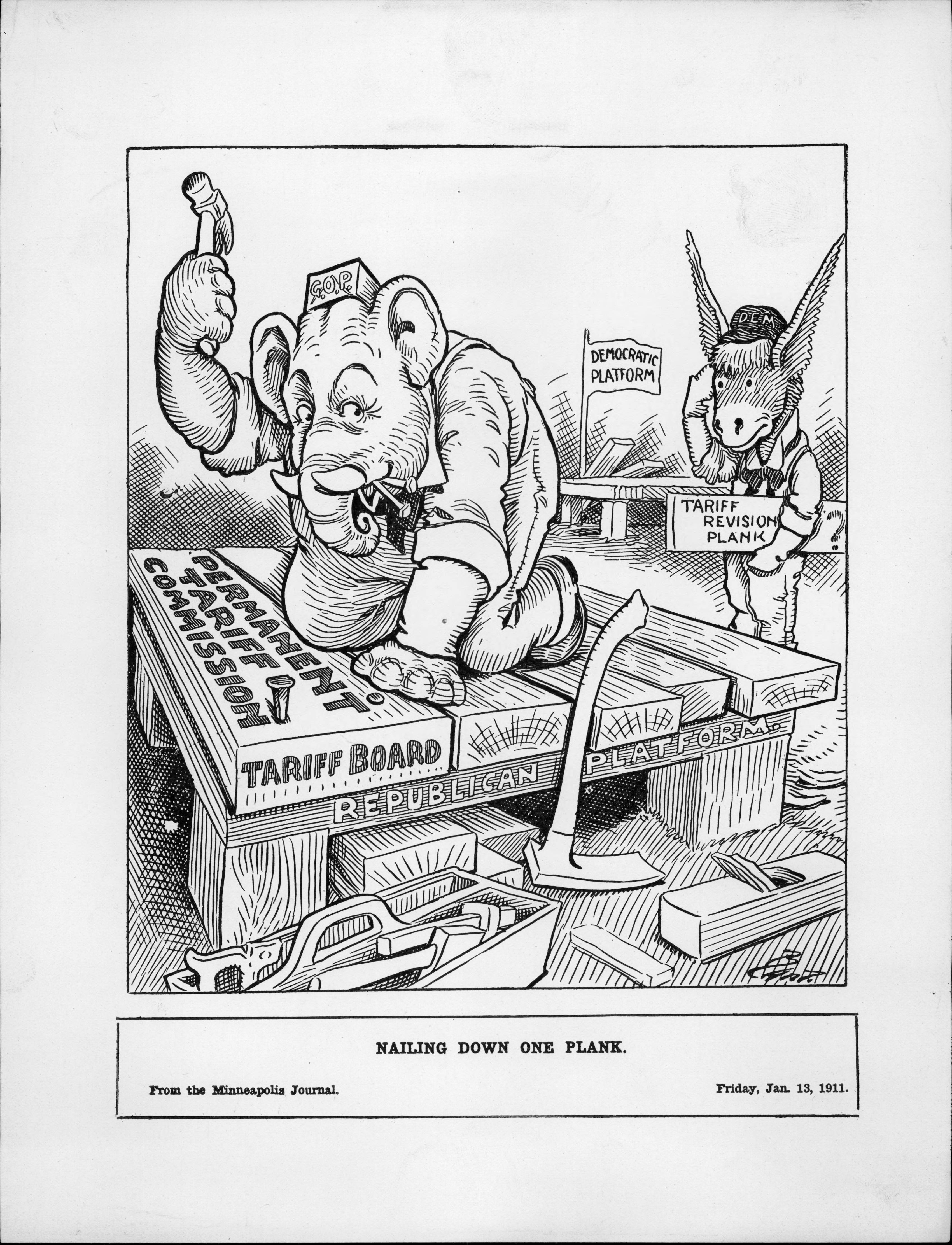
A carpenter nailing down a plank, the classic setup where a nail too close to the edge can split the board. Illustration: Charles Lewis Bartholomew/Wikimedia Commons
Image Credits: Wikimedia Commons / Charles Lewis Bartholomew (DPLA), Shixart1985
A nail is a wedge, and wood splits along its weakest line
Wood fibers behave like a tightly packed bundle of straws. Drive a sharp fastener between them and two things can happen: the fibers compress and let the nail through, or they separate and the board splits where two straws meet.
A sharp nail point acts as a mechanical wedge. As it enters, its tapered geometry pushes force sideways, perpendicular to the grain.
Wood is far weaker across the grain than along it, so the sharp tip pries fibers apart before it severs them. If that sideways tension exceeds the wood's cleavage strength, a crack opens ahead of the nail and runs along the grain line, the path of least resistance.
Edges and ends are where this goes wrong. Near an edge, there are simply fewer fibers on one side to resist the wedge, so the crack has almost nothing stopping it.
As NailerGuy puts it, the closer the nail is to the edge, the less material there is to support the nail and resist the outward pressure. End grain is worse still: driving into the cut end of the straws means the nail only has to push two fibers apart to travel the whole length of the board, with nothing holding them together sideways.
Distance is the simplest guard. Carpenters generally keep nails at least three quarters of an inch to a full inch from the edge or end of a board, which gives the wood enough strength to hold the nail without splitting. That rule of thumb appears across trade guidance because it matches the physics: more resisting fiber, less chance of a crack.
Why some wood splits more easily than others
Not all boards split the same way. The wood's density and moisture decide whether fibers bend or break.
In soft, light woods, the fibers are like miniature soda straws with big air spaces inside. They squash fairly easily, especially when the wood's moisture content is above about 7 percent, so the cells compress and make room for the fastener. Gene Wengert, the wood scientist known as "The Wood Doctor," explained in Woodworking Network that this compressibility is why pine and similar woods are forgiving.
Dense woods tell the opposite story. Oak, beech, hard maple, ipe, and hickory have much thicker fiber walls and far smaller air spaces, so compressing the cells is difficult.
When a nail enters, the force it creates can exceed the wood's splitting strength, and wood's splitting strength is actually quite low. The result is a split radiating out from the fastener instead of compressed cells around it.
Dryness makes everything more brittle. Over-dried wood has lost the flexibility that lets fibers bend, so even softwoods can split when they are too dry. The same applies to brittle species and to boards with wild or interlocked grain that does not compress evenly.
Nail choice matters too. A thick nail displaces more fiber than a thin one, so it needs more compression to pass.
A sharp chisel point starts splits more readily, which is why one old carpenter trick is to dull the nail point slightly. A blunt tip tends to tear and crush fibers rather than wedging them apart, and Wengert notes this can greatly reduce splitting without reducing fastener strength.
The fixes that actually prevent splits
Pre-drilling is the single most reliable fix. A pilot hole, also called a lead hole, removes just enough material to give the nail a channel, so the fibers do not have to compress at all.
Sizing the hole matters. For nails, Wengert's guidance is a lead hole at 90 percent of the nail shank diameter, which removes the wedge effect while letting the nail still grip the wood.
For common nails driven without pre-drilling trouble, some guides suggest a bit at 60 to 70 percent of shank diameter for the trickier cases. The principle is the same either way: take the wedge away and most splitting stops.
Placement discipline does the rest. Keep nails off the ends and at least an inch from edges.
When several fasteners must go near each other, stagger them so they do not sit on the same grain line, since two nails on one line can start a crack together. Driving at a slight angle, called slant driving, can also help the nail grab across fibers rather than wedging along them.
A few smaller tricks round out the kit. Rubbing screw threads in a bit of wax lubricates the drive and reduces the force spike at the end.
Countersinking the head seat matters because a flat screw head driven hard into an uncut surface acts as its own wedge and can split the wood on the final turn. And clamping the stock before fastening, a trick woodworkers use on rails, resists the sideways force directly.
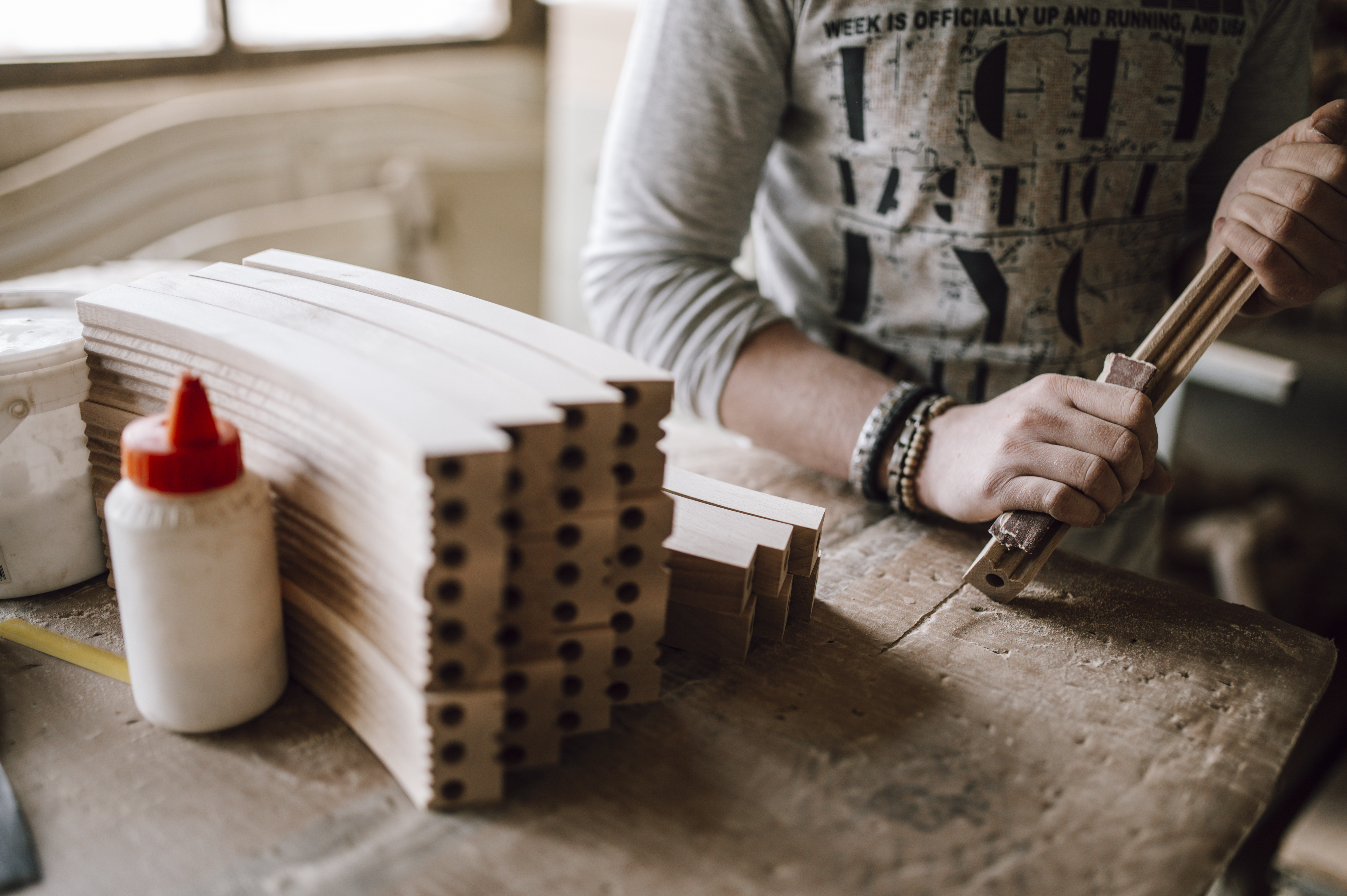
A well-set woodworking bench, where pilot holes and clamps keep boards from splitting during fastening. Photograph: Shixart1985/Wikimedia Commons
Frequently asked questions
How far from the edge should a nail go?
Keep nails at least three quarters of an inch to one inch from the edge or end of a board. Within an inch or two of an edge, even softwoods benefit from a pilot hole, because there is not enough fiber to resist the nail's sideways push.
What size pilot hole stops splitting?
For nails, a lead hole at about 90 percent of the nail shank diameter is the widely cited figure, and it does not reduce withdrawal strength. For screws, size the hole to the shank or root diameter, not the threads, so the threads can still bite while the core passes without wedging.
Does dulling a nail point really help?
Yes. A sharp point wedges fibers apart and starts a crack ahead of the nail, while a dulled point tends to tear and crush fibers instead. Wood scientists note this can greatly reduce splitting near ends and edges without weakening the joint.
Why does end grain split so easily?
End grain is the open end of the fiber bundle. A fastener driven into it only has to separate a few fibers to run the crack down the board, and the joint is weak anyway, with end-grain withdrawal strength up to 50 percent lower than side grain. Pre-drill is mandatory there, and consider a different joint if you can.
Do softwoods ever need pilot holes?
They do when the placement is risky. Near edges or ends, in over-dried stock, or with thick nails, even pine can split. Pre-drilling is cheap insurance, and unlike a cracked board, it costs nothing to fix afterward.
The bottom line
Wood splits near edges because a nail is a wedge and an edge leaves too little fiber to resist it. Dense, dry wood splits most, since its fibers cannot compress out of the way. The fix is straightforward: stay an inch from edges, size a pilot hole at about 90 percent of the nail shank diameter, and consider dulling sharp points on tricky stock.
Do that and the board stays whole.
Latest in Home & DIY
- Why Laminate Flooring Buckles in Summer Heat
- How a Stud Finder Actually Detects Studs
- Why Door Hinges Squeak Louder in Winter
- Why Paint Feels Dry in Hours but Needs Weeks to Cure
Subscribe for weekly explainers on how your home actually works.
Related stories
Why Your Faucet Keeps Dripping After You Turn It Off
A dripping faucet is usually a worn washer, O-ring, or cartridge that can no longer seal. One drip per second wastes over 3,000 gallons
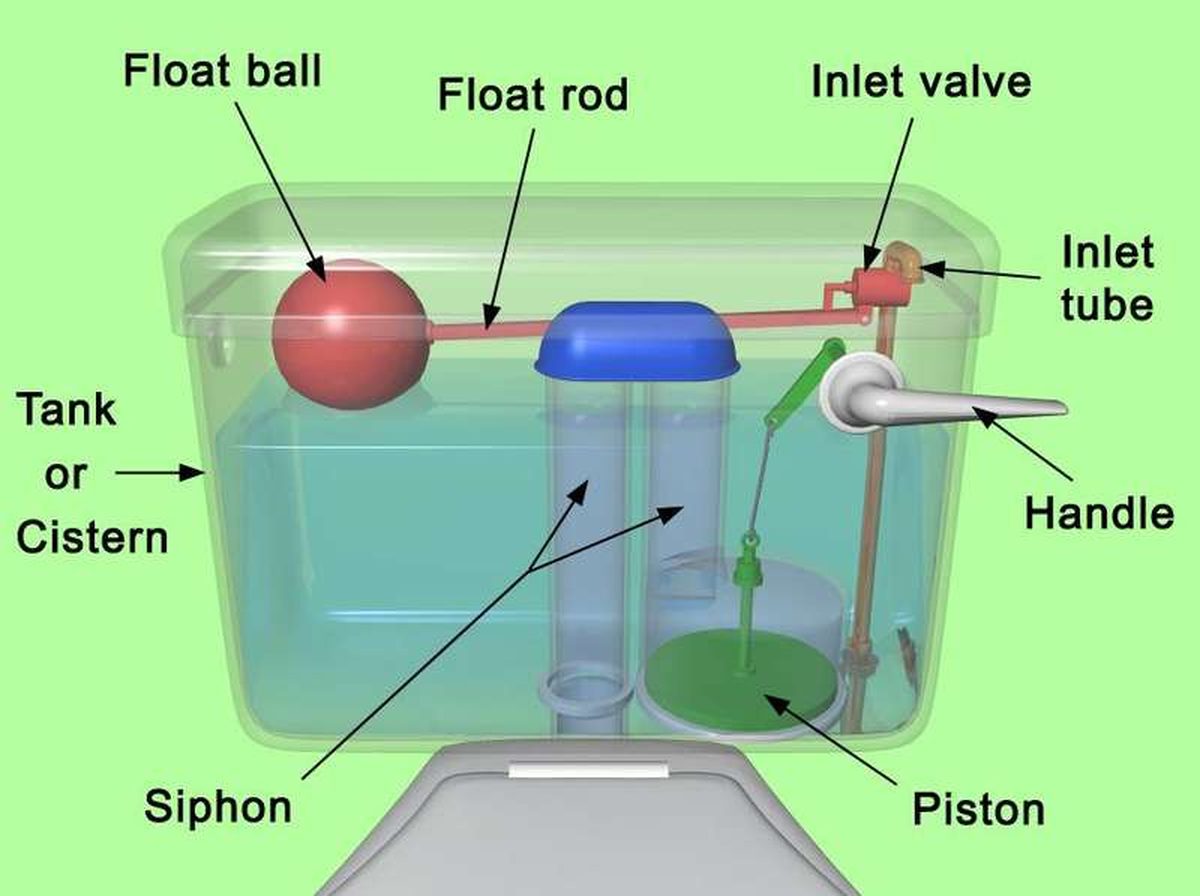
How to fix a running toilet without a plumber in 30 minutes
A running toilet can waste 200 gallons of water a day. Diagnose the flapper, float, or fill valve in two minutes, then fix it yourself
How to hang heavy shelves on drywall safely
Studs first, toggle bolts second, plastic anchors never for heavy loads. Weight ratings, installation steps, and mistakes that bring