
Leave No Trace Explained Simply: The 7 Principles
Key takeaways
- Leave No Trace is a 7-principle ethics code. It shows outdoor visitors how to cause the least harm to nature.
- The core rules: plan ahead, camp on tough ground, pack out all waste, leave nature alone, keep fires small, respect wildlife, and be kind to others.
- It applies everywhere, from remote wilderness to your local park and even your own backyard.
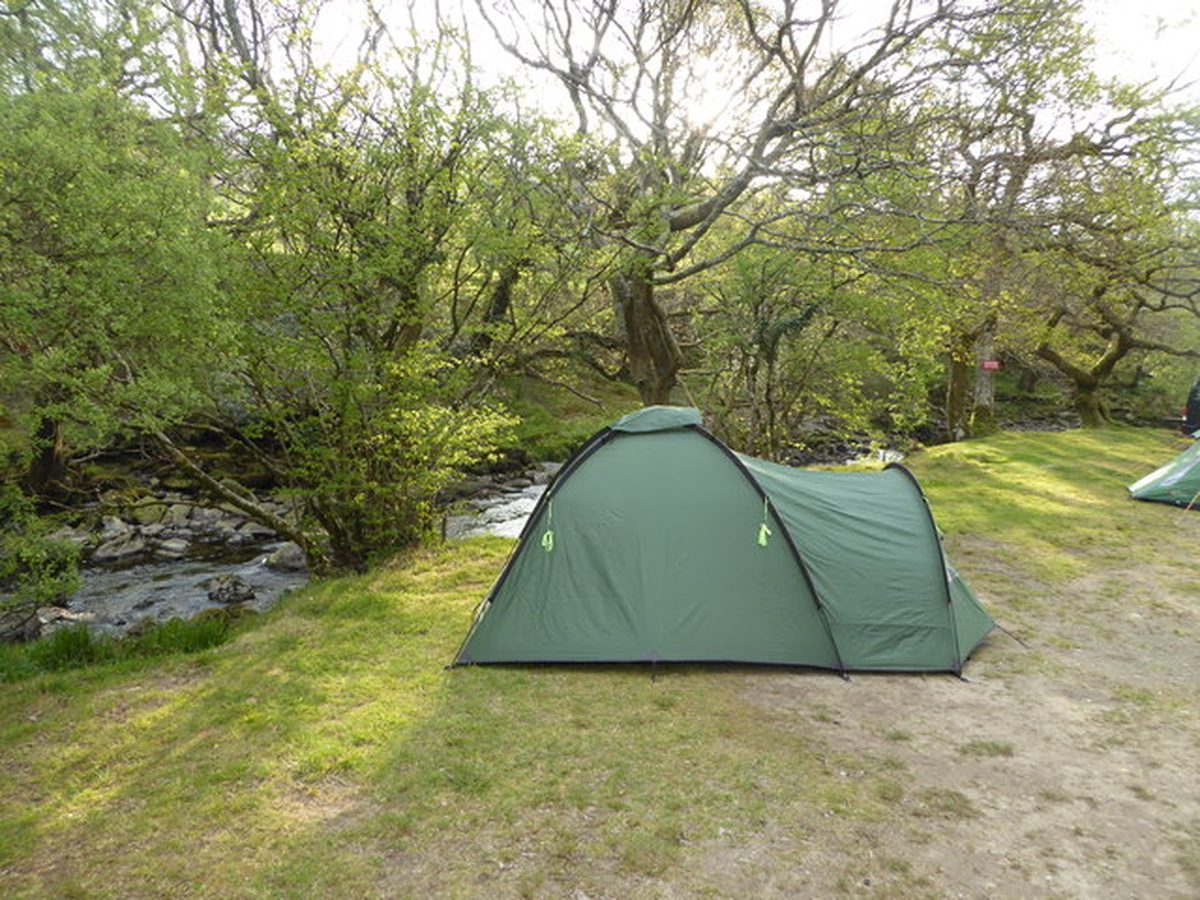
A tent at a forest campsite in Beddgelert, Wales: low-impact camping starts with choosing a spot that can handle it. Photograph: Jeremy Bolwell
Image Credits: Wikimedia Commons (CC BY-SA 2.0, Jeremy Bolwell)
What Leave No Trace means
Leave No Trace is a set of ethics guidelines for anyone who spends time outdoors. It was created by the Leave No Trace Center for Outdoor Ethics, a nonprofit. They teach people how to reduce their impact on natural places through education and research.
The idea is simple: enjoy the outdoors without damaging it. Every hiker, camper, and picnicker leaves some impact. The seven principles show how to keep that impact as small as possible, so the next visitor finds the same beauty you found.
It goes beyond the old saying "take only pictures, leave only footprints." Good trip planning, where you walk and camp, how you handle waste and fires, and how you treat wildlife all count. The principles fit almost every outdoor activity, from long backcountry treks to an evening in a city park.
This article looks closer at Leave No Trace explained simply, including each of the seven principles and what they mean in practice.
1. Plan ahead and prepare
Good trips start before you leave home. Planning means knowing the rules of the area, checking the weather, understanding the land, and preparing for your group.
Poor planning causes damage. Unprepared hikers build emergency fires, trample fragile areas, and create rescue situations. Prepared hikers carry what they need, stay on route, and do not mark trails with paint or flags.
Meal planning matters too. Repacking food at home cuts the packaging waste you carry in and have to carry out.
2. Travel and camp on durable surfaces
Damage happens when people walk and camp on ground that cannot take it. Plants crushed by boots or tents can take years to recover.
Stick to set trails and campsites. The Leave No Trace Center says it plainly: "Good campsites are found, not made. Altering a site is not necessary." Keep campsites small, use sites that are already in use, and avoid widening trails by walking side by side through mud.
In areas without trails, spread out so no single path gets worn into the ground. Different ground, different rules: rock and dry grass handle feet well, while wet meadows and desert crusts do not.
3. Dispose of waste properly
The backpacker's motto is "pack it in, pack it out." Everything you bring on the trail comes back with you, including food scraps, packaging, and toilet paper.
Human waste needs care. Bury it in a cathole 6 to 8 inches deep. A cathole is a small hole you dig and cover again. Keep it at least 200 feet (about 70 adult steps) from water sources, trails, and camps. The same 200-foot rule covers washing dishes and yourself: carry water away from the stream, wash, and scatter the wash water on the ground where it can filter through soil.
Gray areas trip people up. Orange peels and apple cores are natural, but they rot slowly in some climates and teach wildlife to expect human food. Pack them out too.
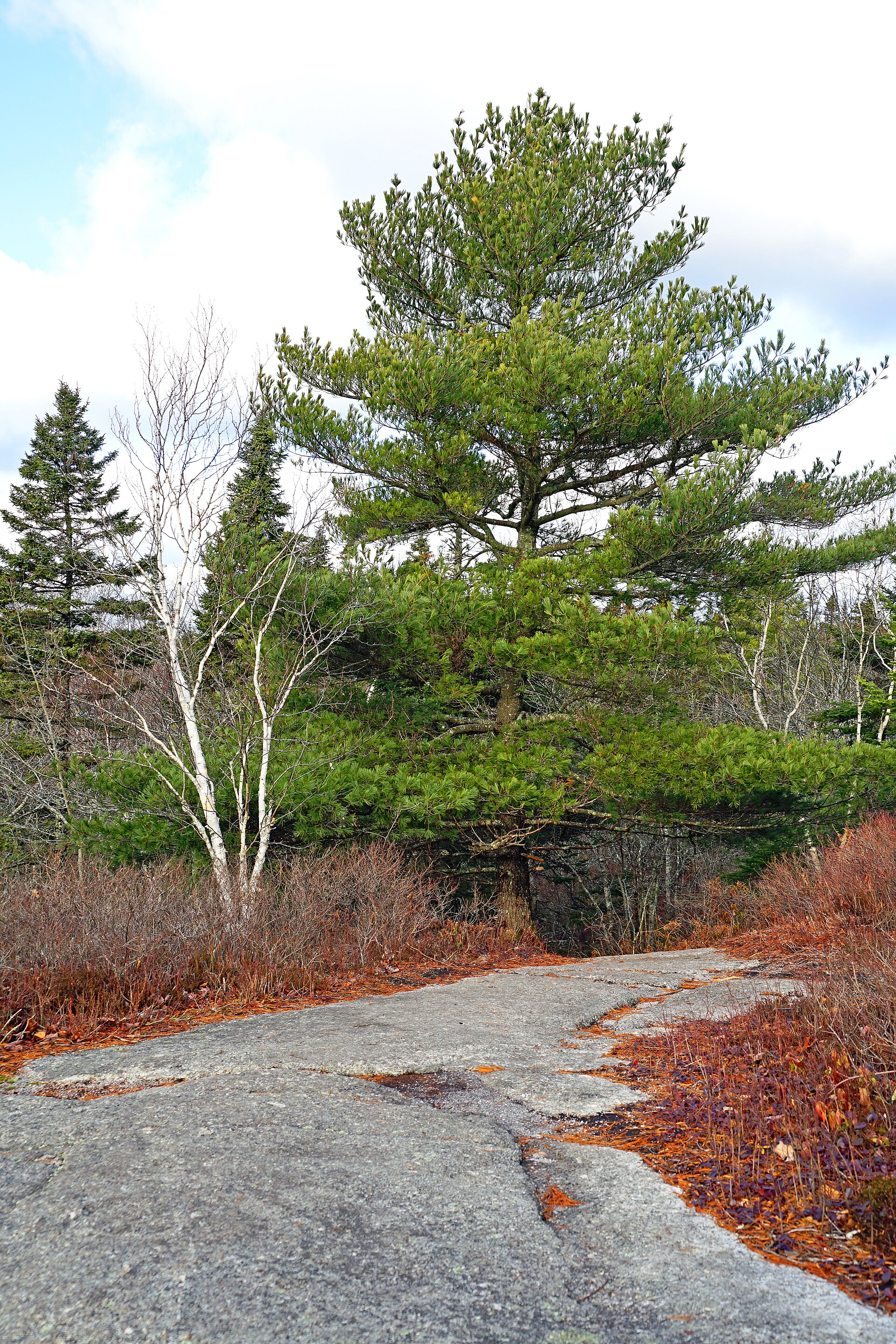
Hikers follow an established trail through the Bluff Wilderness, keeping their impact on durable, already-worn ground. Photograph: Dennis G. Jarvis
Image Credits: Wikimedia Commons (CC BY-SA 2.0, Dennis G. Jarvis)
4. Leave what you find
Leave nature the way you found it. Do not pick wildflowers, pocket interesting rocks, carve initials into trees, or build structures like shelters, trenches, or cairns where none belong.
It is tempting to "improve" a campsite by digging drainage ditches or arranging stones into furniture. Each change adds human impact and teaches the next camper to do the same. Leave it alone.
This principle also covers cultural and historical objects. If you find an arrowhead or an old campsite relic, photograph it and leave it where it lies.
5. Minimize campfire impacts
Campfire scars can last for years. Where fires are allowed, use set fire rings, fire pans, or mound fires. Keep fires small. Burn only sticks from the ground that you can break by hand, and never cut live branches.
A camp stove is the lowest-impact cooking option and works in any weather. Many skilled backpackers skip the campfire entirely and cook every meal on a stove.
When you do build a fire, burn it to ash, make sure it is fully out, and scatter the cool ashes. In dry conditions or where fires are banned, skip the fire without complaint.
6. Respect wildlife
Watch animals from a distance. Never feed wildlife, approach them, or follow them for a better photo.
Feeding animals harms their health, changes their natural behavior, and exposes them to predators and other dangers. A fed animal is a bolder animal, and bolder animals end up in conflicts with people that the animal always loses.
Store food and scented items where animals cannot reach them: in bear canisters, hung bags, or locked car trunks where required. Control pets, and keep dogs leashed where the rules require it.
7. Be considerate of other visitors
The trail belongs to everyone. Let nature's sounds prevail and avoid loud voices, music, and noise. As the Leave No Trace Center puts it: "Let nature's sounds prevail. Avoid loud voices and noises."
Yield to uphill hikers and pack animals. Step aside on narrow trails. Keep your group size small, take breaks off the trail, and give other visitors space at viewpoints and campsites.
Courtesy extends to the parking lot too. Do not block trailheads, and leave gates as you found them.
Why it matters more every year
Outdoor recreation keeps growing, and popular places feel the pressure. Litter is the most visible problem, but trampled plants, polluted water, habituated wildlife, and fire scars do the lasting damage.
Preventing harm is easier than fixing it. Cleaning up after damage is hard work, and some damage takes years to repair. Seven simple principles, followed by millions of visitors, are what keep wild places wild.
Frequently asked questions
Is Leave No Trace a law?
No. It is a voluntary ethics code taught by the Leave No Trace Center for Outdoor Ethics. Parks, outfitters, and outdoor groups worldwide use it. Some parks enforce specific rules (like fire bans or food-storage rules) that overlap with the principles, but the principles themselves are just guidelines.
Does Leave No Trace apply to day hikes?
Yes. Even short visits leave impact: wrappers, trampled plants, and disturbed wildlife. The principles scale to any trip length, from a 20-minute walk to a month-long trip.
What does "durable surfaces" mean exactly?
Surfaces that resist damage: set trails and campsites, rock, gravel, dry grass, and snow. Avoid walking or camping on wet meadows, wildflower patches, and fragile desert soil crusts.
Can I pick up litter left by others?
Yes, and the Leave No Trace community encourages it. Leaving a place better than you found it is in the spirit of the principles.
The bottom line
Leave No Trace is seven simple promises: plan ahead, stay on durable surfaces, pack out your waste, leave nature untouched, keep fires minimal, respect wildlife, and respect other people. None of them takes much extra effort. Together, they are the difference between a landscape that stays wild and one that slowly wears out.
Before your next trip, brush up on the practical skills too: how to purify water while hiking without a filter and what to pack for a day hike.
---
Rive News is a research desk publishing explainers from public sources. Corrections: contact the editorial desk.
Latest in Sports
- Hiking vs Trekking: What Each Term Really Means
- Why You Need to Break in Hiking Boots
- What to Pack for a Day Hike: Checklist
Subscribe for weekly outdoor explainers.
Related stories

Why Is Altitude Sickness Worse for Some People?
Altitude sickness hits some people harder because of genetics, ascent speed, and prior history, not fitness level. Here is what raises risk

Why Do You Get Blisters When Hiking and How to Prevent Them
Friction plus moisture plus heat equals a blister. Learn why hiking breeds all three, and the boots, socks, and tape system that keeps

How to choose hiking boots for beginners: fit, features, and break-in
Beginners should buy for fit first: snug everywhere, tight nowhere, with a thumb's width at the toes. Here is how to size, test,