
Why Does 5G Drain Battery Faster Than WiFi?
Key takeaways
- 5G drains battery faster than WiFi mainly because the cellular radio must reach a tower a mile or more away, while WiFi only reaches a nearby router.
- Many 5G networks keep a 4G connection running in the background too, so the phone powers two radios at once.
- Video streaming tests show about 25 percent less battery use on WiFi than on 5G, and weak signals make the gap far worse.
Switch from WiFi to 5G and watch the battery percentage. It falls faster.
Not a little faster, noticeably faster, especially during video calls and streaming. This is not your imagination, and it is not a faulty phone.
The reason is radio physics and network design. WiFi and 5G do the same job, moving data through the air, but they do it under very different conditions, and the phone pays for the harder job in battery.
This article explains why distance costs power, why many 5G phones run two radios at once, why weak signals are the real battery killer, how speed itself costs energy, and what you can do about it.
The short version: distance costs power
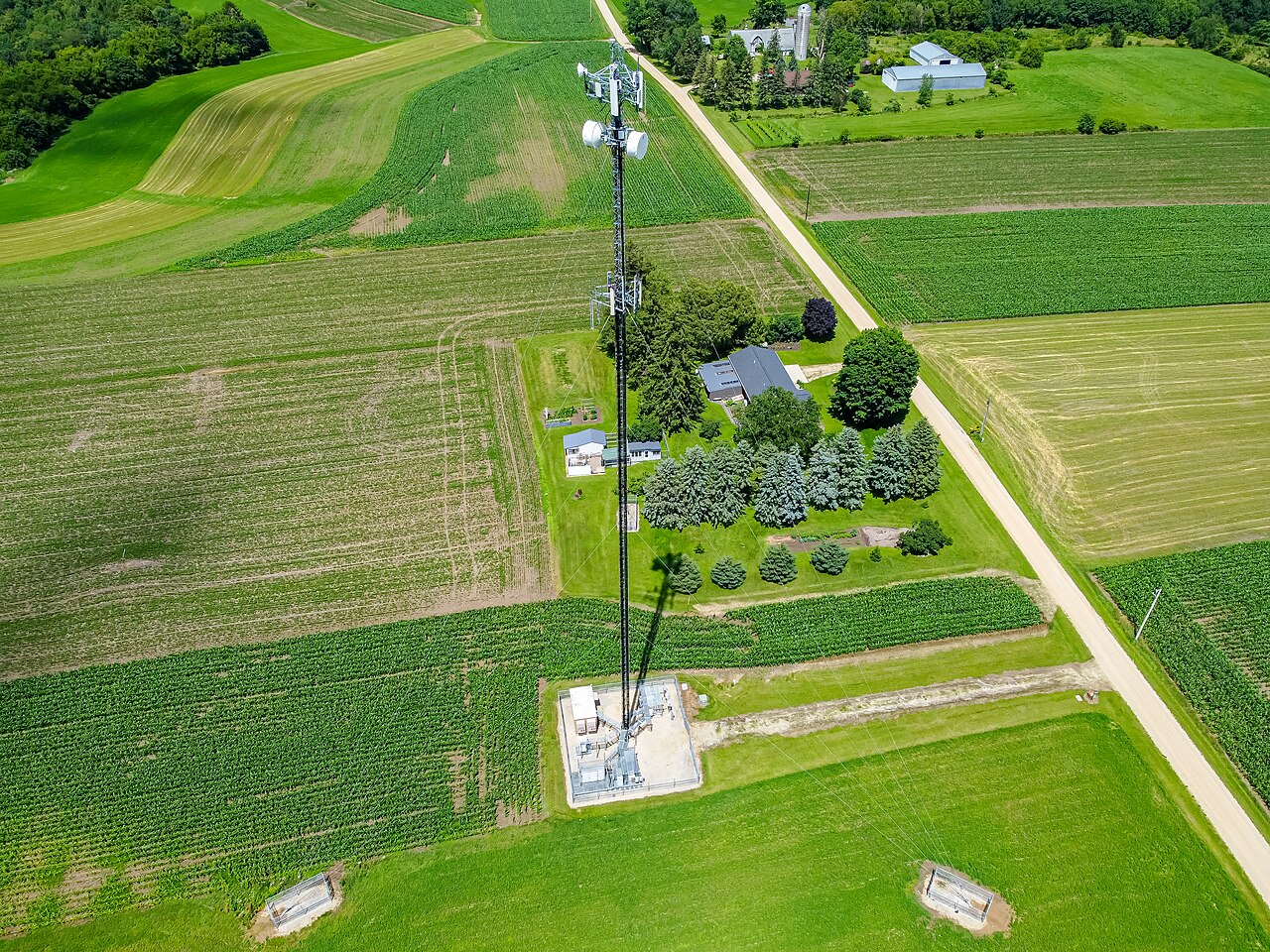
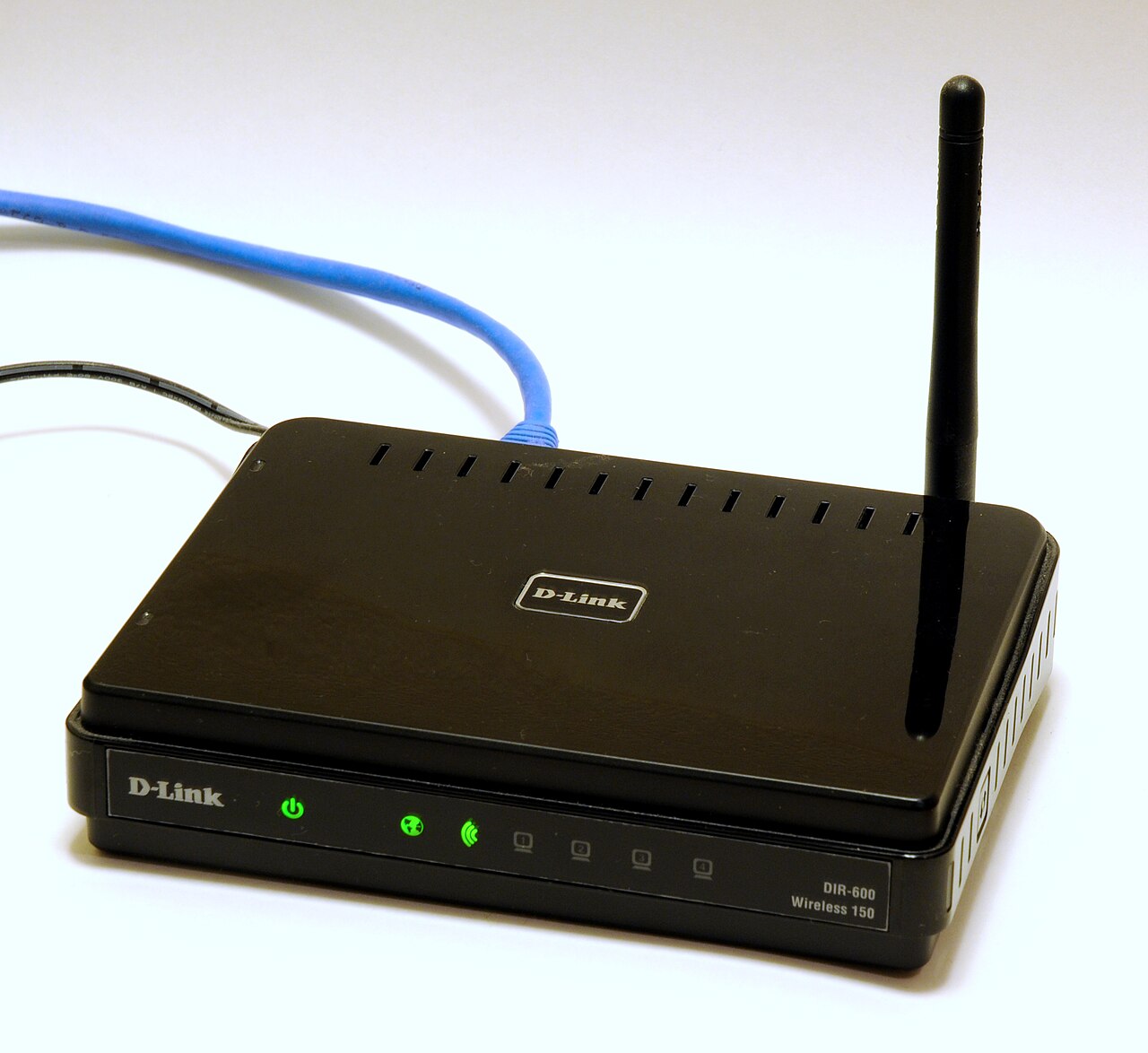
The whole story fits in one comparison. Your phone's WiFi radio only has to reach your router, which might be a few feet or a few rooms away.
Your cellular radio has to reach a cell tower that could be a mile or more away. The farther the signal has to travel, the more power the phone burns pushing it out and pulling it in. That is the whole story in a nutshell, as MobilityArena puts it.
Think of it like shouting across a field versus talking across a table. Both carry a message, but one takes far more effort. Radio works the same way: weak signals must be amplified, strong ones barely sip power.
WiFi also benefits from a stable, nearby signal. The router sits in one place, the phone barely moves relative to it, and the connection stays steady.
Cellular connections deal with distance, buildings, movement, and handoffs between towers as you travel. Every handoff, every adjustment, costs energy.
This is why WiFi will always be more battery-friendly than cellular data in comparable conditions. The geometry of the connection decides the power budget before anything else happens.
Two radios instead of one
Here is the detail most explainers miss. Many 5G networks still run on what carriers call non-standalone architecture.
That means the phone keeps a 4G LTE connection active in the background even while it is using 5G for data. Two radios working instead of one, and it shows up in the battery percentage, MobilityArena reports.
The 4G anchor handles signalling and control while 5G carries the data, or the phone juggles both as coverage changes. Either way, the modem is doing double duty.
Standalone 5G networks, where the phone talks 5G only, remove this penalty, but rollout is uneven. Some of the variation comes down to the carrier itself: coverage quality differs widely, and some carriers still do not support eSIM, a reminder that carrier implementations are far from uniform.
The measured cost is real. Various tests and analyses summarised by CylonTC show 5G draining 6 to 11 percent more battery than 4G in typical use. Newer phones with efficient modems narrow the gap, but on most devices it persists.
Weak signal is the real battery killer
Signal strength matters more than the generation label. A strong 5G signal in a well-covered area is far easier on the battery than a weak one. In poor signal conditions, 5G can use 20 to 30 percent more power than WiFi or 4G, according to CylonTC's summary of test data.
The mechanism is simple. When the phone cannot hold a clean signal, it raises transmit power to stay connected, retries failed packets, and hunts for a better tower or band.
Each of those behaviours burns energy. A phone sitting in a dead zone with 5G enabled is working its hardest while doing nothing useful.
This is the same radio effort behind everything the phone does on the network, including finding the phone over the network when it goes missing. Location, messaging, background sync, all of it rides the same radios and pays the same weak-signal tax. Whether your texts arrive green or blue, sending them over a struggling 5G connection costs more battery than sending them over WiFi.
WiFi is less affected by this variability, provided the router is within reasonable range. A strong, stable router connection is the most power-efficient way to move data a phone has.
Speed itself costs energy
5G is fast, and speed has a power cost beyond the radio. When the phone can download massive files quickly, the processor, graphics, and modem all work harder to handle the flood of data.
The German research institute Fraunhofer found that 5G requires approximately 3.5 times more power than 4G for streaming 4K video, PoweringAutos reports. Part of that is the radio, and part is the sheer throughput: more bits per second means more work per second for the whole system.
Real-world tests confirm the pattern. Lab tests cited by Geeky Gadgets found that streaming video on WiFi consumed approximately 25 percent less battery than using 5G. A PhoneBuff-style comparison of video streaming showed the same advantage: about a quarter less battery drain on WiFi for the same content.
The practical takeaway is that data-heavy activities amplify the difference. Browsing and messaging show a smaller gap, around 3 to 4 percent less battery on WiFi in some tests.
Video calls and streaming show the full gap. Match the connection to the task and the battery lasts longer.
How to make 5G cheaper on battery
You do not have to give up 5G. A few habits cut most of the penalty.
Use WiFi whenever it is available and trustworthy. This is the single biggest lever, especially for video calls, streaming, and large downloads. The 25 percent streaming advantage alone is worth the tap.
Turn off 5G where the signal is weak. If the phone is hunting for a 5G signal it can barely hold, forcing 4G or even preferring WiFi stops the power-hungry search. Many phones let you choose the preferred network type per SIM.
Let the phone manage the radio. Features like 5G Auto on iPhones and adaptive connectivity on Android switch between 5G and 4G based on what you are actually doing. Browsing on 4G and streaming on 5G is a sensible compromise the phone can make on its own.
Keep the modem efficient. Software updates often include modem firmware improvements that reduce 5G power draw. An old phone with an early 5G modem, like the iPhone 12 generation, shows a much bigger WiFi-versus-5G gap than current models.
Frequently asked questions
Does 5G always drain battery faster than WiFi?
In practice, yes. The cellular radio works harder to reach distant towers, many networks run a 4G connection alongside 5G, and weak signals amplify the difference. WiFi's short hop to a nearby router is inherently cheaper in power.
Is 5G worse than 4G for battery?
Usually, yes. Tests show 5G draining 6 to 11 percent more battery than 4G in typical use, with bigger gaps in poor signal. Standalone 5G networks and newer modems narrow the difference, but it remains on most devices.
Why does my battery drain fast on 5G even when I am not using the phone?
The modem keeps working in the background: maintaining the connection, handling handoffs between towers, syncing data, and hunting for signal. In a weak-signal area this background work intensifies, draining the battery while the screen is off.
Should I turn off 5G to save battery?
If you are in an area with weak 5G coverage, yes, switching to 4G or WiFi saves meaningful power. In strong 5G coverage the penalty is smaller, and features like 5G Auto already limit 5G to moments when it helps.
Does 5G use more data than WiFi?
5G itself does not use more data, but its speed enables heavier use: higher video quality, faster downloads, more background syncing. That heavier usage, plus the radio and processing cost, is what shows up as faster battery drain.
The bottom line
5G drains battery faster than WiFi for three honest reasons. The signal travels farther, so the radio works harder.
Many networks keep a second radio running for 4G in the background. And the speed itself makes the processor and modem work harder on every bit.
None of this makes 5G bad. It makes WiFi the smart default. Use WiFi for the heavy lifting, let 5G handle the moments when speed matters, and keep an eye on signal strength, because a weak signal costs more than any generation label ever will.
Latest in Tech
- How passkeys work, in plain English
- Why some carriers still do not support eSIM
- What really happens to deleted photos on your phone
- What incognito mode actually hides, and what it does not
Subscribe to the Rive News newsletter for one plain-English tech explainer every week.
Related stories

Apple plans two October launches: smart home hub, OLED MacBook Pro
Apple set October 13 for a smart home launch with a new hub, Apple TV 4K and HomePod mini, then October 27 for OLED MacBook Pro models
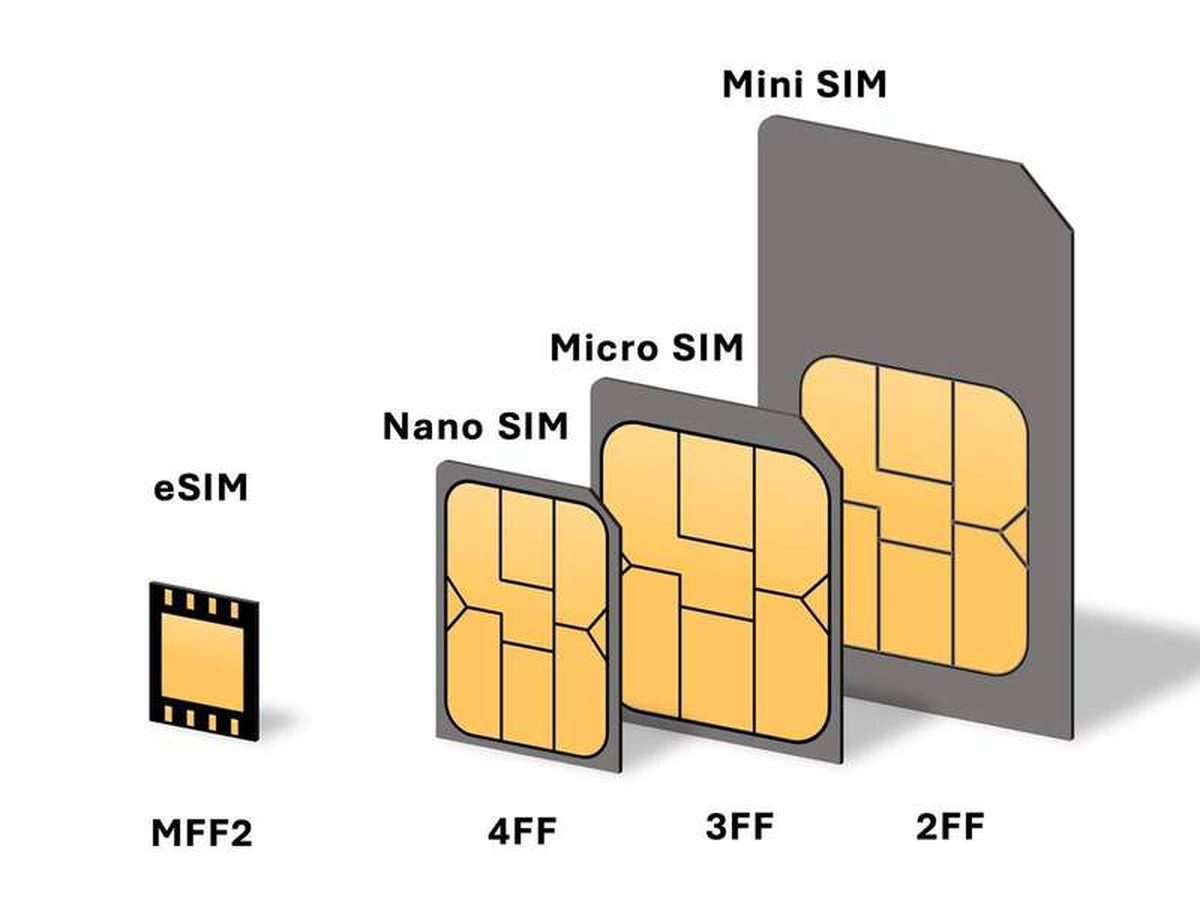
How to Check If Your Phone Supports eSIM in 30 Seconds
Dial *#06# and look for an EID number to confirm eSIM support in under 30 seconds. This guide also walks through the iPhone and Android
eSIM vs iSIM: what is the difference?
An eSIM is a dedicated chip on the phone's board, while an iSIM lives inside the processor itself. Qualcomm's Snapdragon 8 Gen