
Why do doors stick more in summer? Humidity, wood, and fixes
By Rive News / Research desk | Rive News / Published October 31, 2026 at 9:00 AM PKT
Key takeaways
- Doors stick in summer because humid air raises the wood's moisture content, and the swollen door binds against its frame.
- Heat is mostly innocent: moisture in warm summer air does the swelling, not temperature itself.
- Seal all six faces of the door in the dry season, and plane off as little as possible since the door will shrink back in winter.
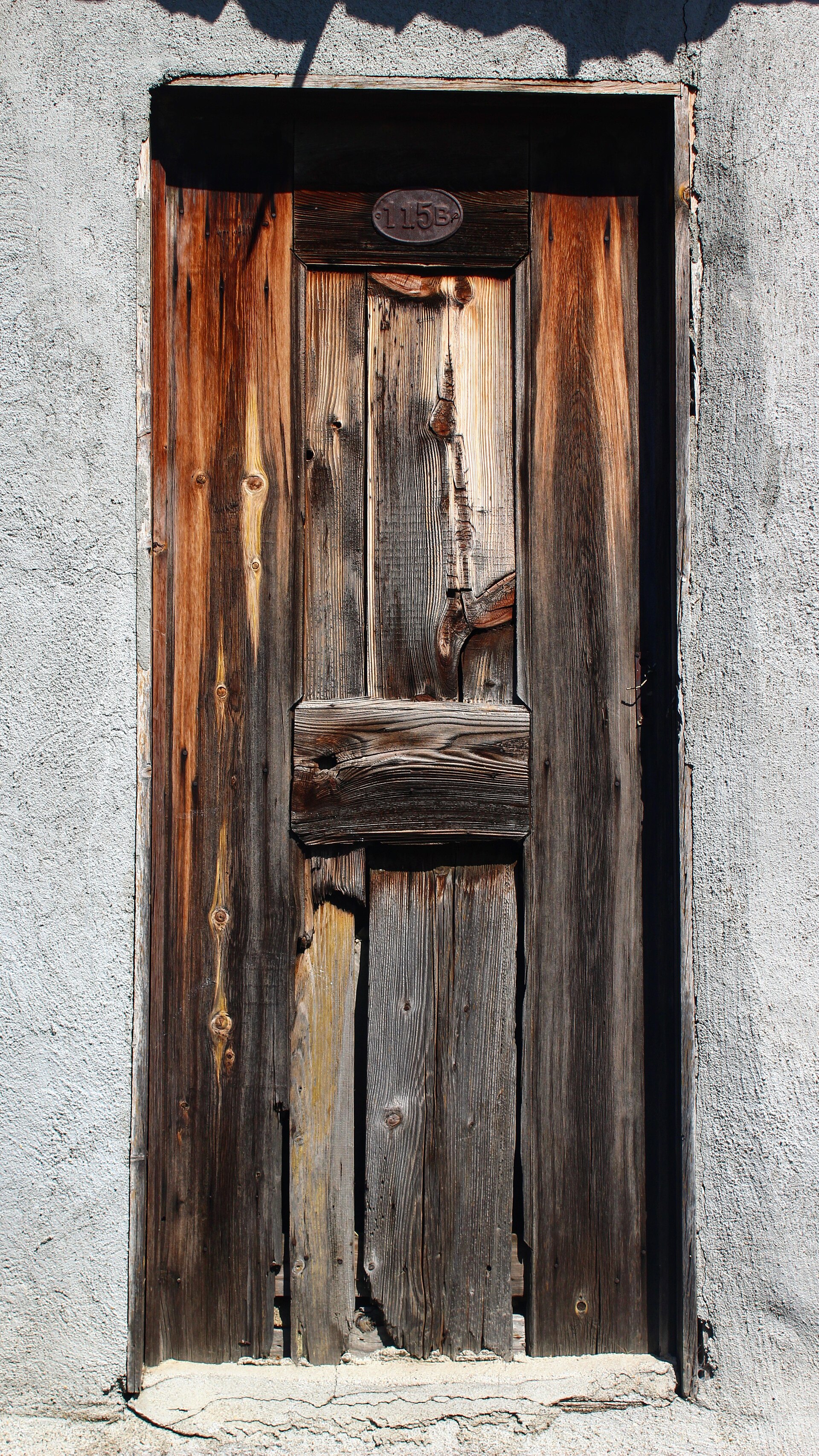
An old wooden door with a worn, textured surface. Photograph: Kızıl
Image Credits: Wikimedia Commons
A sticking door is a door that rubs, drags, or refuses to latch because it no longer fits its frame. In summer, the same door that swung freely all winter can suddenly need a shoulder shove to close.
The cause is almost always the wood itself changing size: it absorbs moisture from humid summer air, swells, and the thin clearance around the door disappears. It is a seasonal, predictable, and usually harmless shift.
This article explains why doors stick in summer, including why humidity matters more than heat, how wood absorbs moisture and swells, where binding spots form, how to fix a sticking door, and how to prevent the problem next summer.
It's the humidity, not the heat
Most short explanations blame summer heat for sticking doors, but heat plays a supporting role at best. The real driver is moisture in the air, and understanding the difference changes how you fix the problem.
Warm air can hold much more water vapor than cold air, so summer air often carries far more moisture even at the same relative humidity. When that damp air meets a wooden door, the wood works to equalize its moisture with its surroundings. The Mississippi State University Extension's publication on the wood-water relationship explains that the moisture content of wood is set by the relative humidity of the surrounding air: drier air pulls water out, humid air pushes it in.
The USDA Forest Products Laboratory in Madison, Wisconsin, has studied this for decades. In "Protecting Wood From Humidity," researchers William Feist and Gary Peterson put it plainly: "As wood takes on moisture vapor, it expands which explains why a door that closes just so in the winter sticks annoyingly when humid summer weather arrives." That single sentence is the whole story.
Laboratory tests at the lab held wood samples at 80°F and 30% humidity to measure how finishes slow the exchange of moisture vapor. The best moisture-resistant coatings held for up to 150 days, but the researchers found that protection always fades: "even the best moisture-resisting finishes only slow, but don't completely stop, the exchange of moisture vapor." No finish is a permanent shield.
How wood absorbs summer moisture
Wood is hygroscopic, which means it constantly trades moisture with the air around it. Think of the cell walls as a microscopic sponge: when humidity rises, water vapor works its way in and pushes the fibers apart, and when the air dries, the water leaves and the wood shrinks again.
This swelling only happens below a threshold called the fiber saturation point, roughly 25 to 30 percent moisture content according to the Mississippi State extension. Above that point the wood can hold more water, but it stops getting bigger. Below it, every percentage point of moisture moves the dimensions.
Here is the part most explanations skip: the swelling is not even in all directions, since wood barely changes along the grain but expands noticeably across it. Forest Products Laboratory technologist Edward C. Peck's classic paper on how wood shrinks and swells notes that most of the expansion happens across a board's width rather than along its length. That is exactly why a door gets wider and thicker and jams against the jamb, instead of just growing taller.
The Mississippi State extension gives a useful pair of numbers: fresh-cut lumber left in the open air of Mississippi settles at about 11 percent moisture content, while wood inside normally heated and air-conditioned homes sits near 7 percent. A door drifts between those points as the seasons turn, and even a few percent of movement closes a thin gap, the same seasonal physics behind bookshelves that sag in the middle over time.
Where doors actually stick
The binding almost always shows up where clearances are tightest. Check the latch side first, where the door meets the strike plate. Then look at the top and bottom edges, which many painters and installers never seal; those unpainted edges are open doors for moisture vapor, so they swell faster than the faces.
A pencil or chalk mark on the jamb will show you exactly where the door kisses the frame. Rub marks on the paint tell the same story. If the door drags at the top corner opposite the hinges, the hinges themselves may be the problem: loose screws let the door sag and rub in a way that looks like swelling but is not.
Family Handyman's door repair guide starts with that check for good reason. Its advice is to tighten every hinge screw with a hand screwdriver rather than a drill, since a drill strips the holes and makes the sag worse. Only when the hardware is snug and the door still binds should you blame the wood.
Bathroom doors deserve special attention. Steam from showers creates repeated spikes of moisture that a hallway door never sees, so when one door sticks every August and the others are fine, the bathroom is the usual suspect. Moisture works on the rest of the home too: it is the same force that makes bathroom caulk pull away from the tub after a year or two.
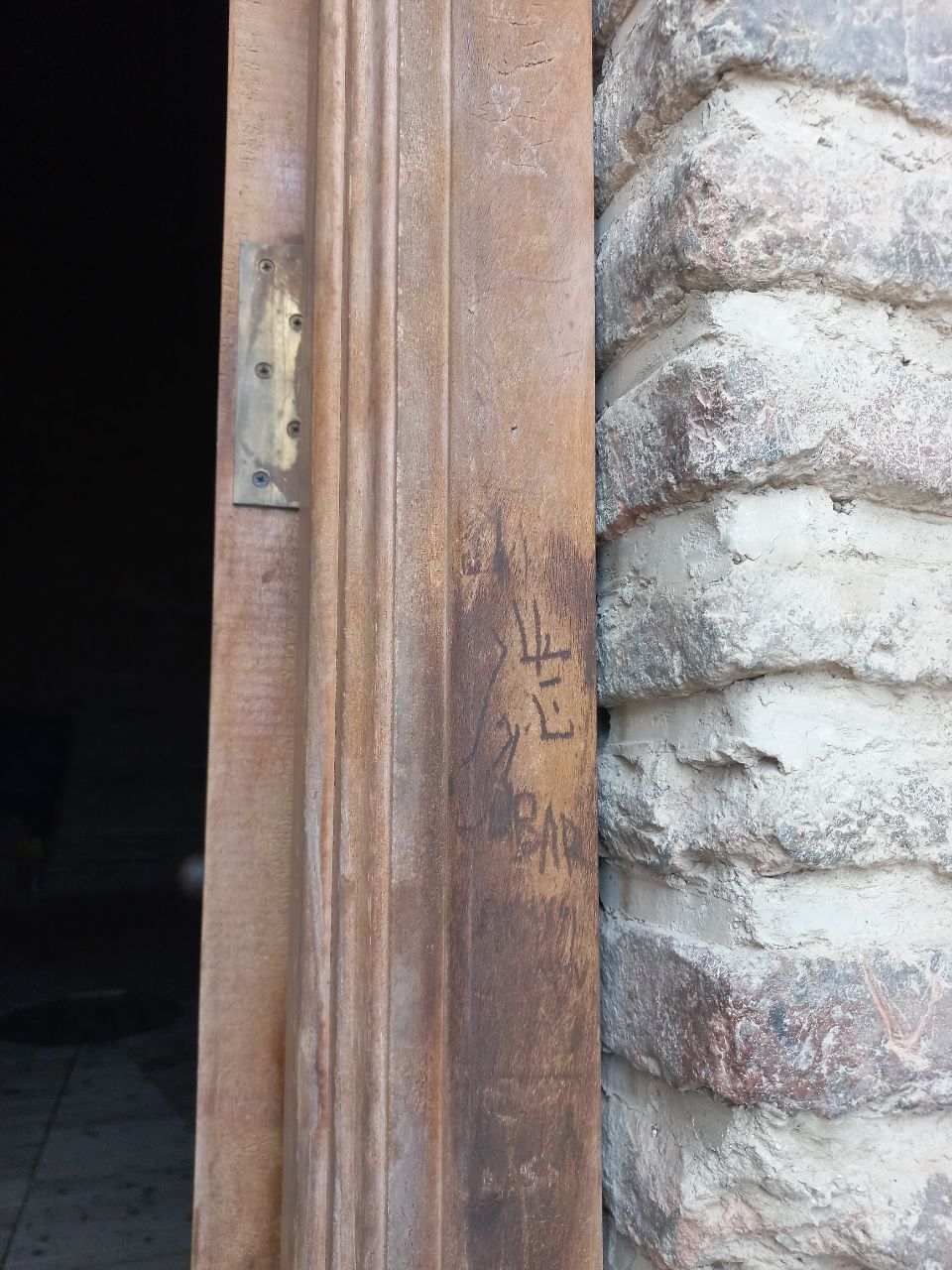
A close-up of a door hinge and frame detail on a historic entrance. Photograph: TurkmenLens
Image Credits: Wikimedia Commons
Fixing a sticking door without over-trimming
The biggest mistake with a swollen door is planing off too much wood. The swelling is temporary, so anything you remove now becomes a gap in January. This Old House general contractor Tom Silva puts it this way: "You want to take off the minimum amount of wood necessary because the door is going to shrink again in the winter. If you remove too much, it will sit loose in the opening."
Silva's rule of thumb is the reveal, the gap between door and jamb: it should run about 1/8 to 3/16 inch all the way around, roughly the thickness of a nickel. If the reveal is even and the door only sticks in summer, the door was hung correctly and the wood is simply doing its seasonal thing; an uneven reveal points instead to loose or misaligned hinges.
If the sticking is bad enough that you cannot wait for dry weather, work sparingly: scribe the rub mark, then shave the high spot with the door in the open position, using a hand plane or belt sander held at a slight angle with long, smooth strokes. Family Handyman recommends scribing with a compass set 1/8 inch apart, sanding up to the line but not into it, and then immediately sealing the raw wood with stain, paint, or polyurethane. A freshly planed edge left bare will drink in moisture and swell again.
Lowering the humidity is often easier than cutting wood. A dehumidifier in a damp hallway or bathroom helps the door release its moisture and shrink back on its own. That is worth trying before you remove anything, because it reverses the actual cause instead of carving around it.
Keeping doors moving freely next summer
The best time to fix a sticking door is when the problem is not happening. Tom Silva advises waiting for the driest part of the year, when the wood has shrunk back to where it belongs, and then sealing every surface: "seal all the exposed surfaces-top, bottom, sides, and inside face-with a coat of oil-based primer and two coats of paint." That means removing the door to reach the edges painters always skip.
A full seal does not stop moisture movement forever. The Forest Products Laboratory's 150-day test result is a reminder that coatings slow the exchange but never end it. Recoat when the finish starts to fail, and pay attention to south-facing exterior doors and bathroom doors, which take the heaviest moisture load.
Keep indoor humidity in a sensible band. Door repair guides suggest around 30 to 50 percent relative humidity to minimize the constant swell-and-shrink cycle.
Small habits help too. Running the bathroom fan during and after showers, venting the dryer outdoors, and not letting a wet entryway sit damp all reduce the moisture peaks that push a door over the edge. The goal is a nickel's worth of space, not a canyon: windows that rattle in the wind show the cost of gaps gone generous.
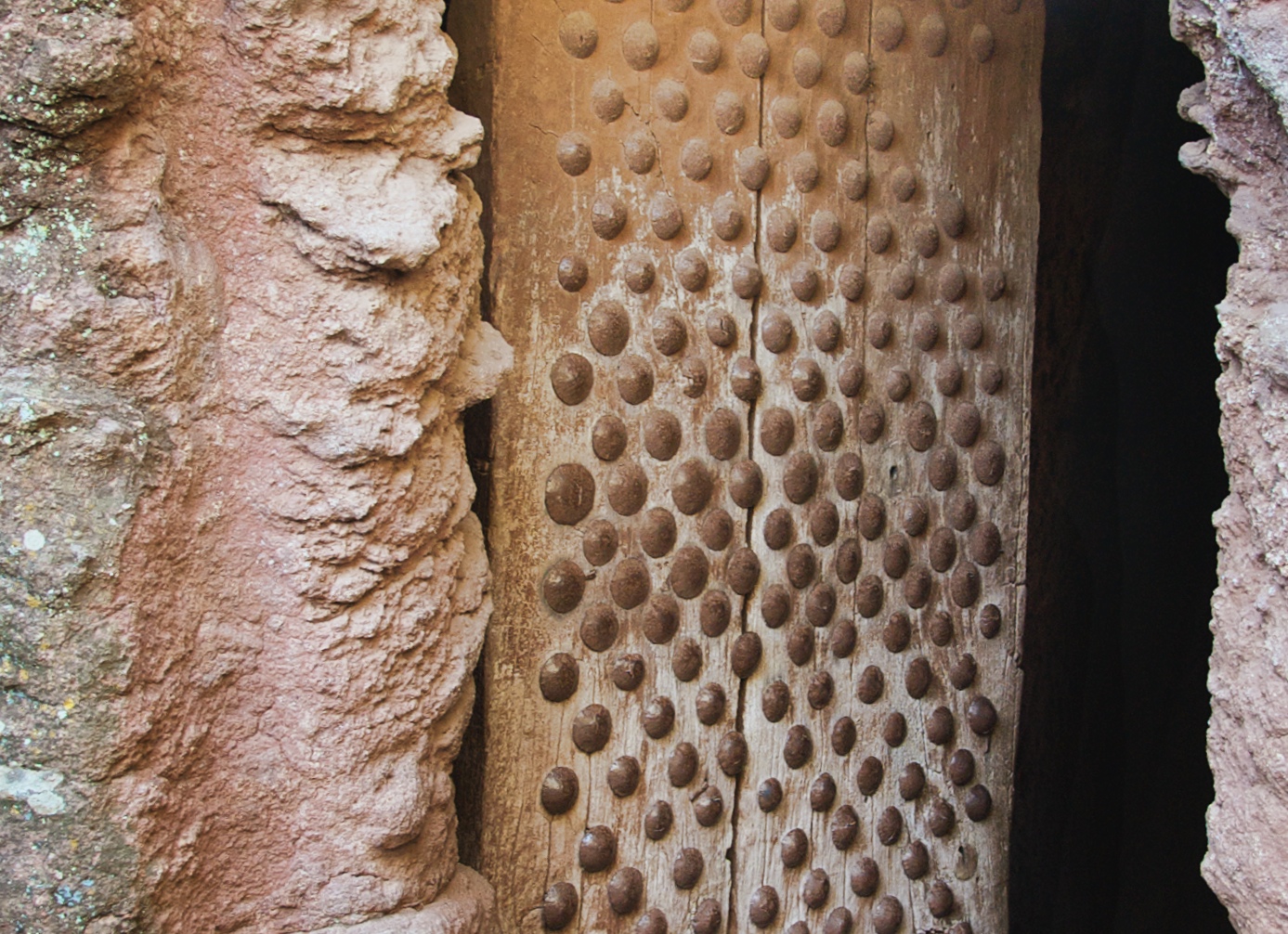
Detail of an old studded wooden door. Photograph: A. Davey from Where I Live Now: Pacific Northwest
Image Credits: Wikimedia Commons
Frequently asked questions
Will a sticking door fix itself in winter?
Usually, yes: as indoor air dries out in winter, the wood releases moisture and shrinks back toward its original size. The Forest Products Laboratory's description of a door that "closes just so in the winter" and "sticks annoyingly when humid summer weather arrives" assumes exactly this cycle. If the door stuck year-round, something else is wrong.
Should I plane the door now or wait?
Wait if you can: planing a swollen door in August removes wood that will be missed in January, when the door shrinks and sits loose. Tom Silva's guidance is to remove the minimum possible, since the door will contract again; if waiting is not an option, take off thin shavings, test the fit often, and seal the cut edge immediately.
Do fiberglass or steel doors have this problem?
Not in the same way. Fiberglass and steel do not absorb moisture from the air the way wood does, so they do not swell with humidity. They can still stick from hinge sag, frame shifting, or paint buildup, but the seasonal swell-shrink cycle is a wood problem.
How humid is too humid for interior doors?
Trouble starts when indoor relative humidity climbs well above normal for long stretches. Wood inside a conditioned home typically holds around 7 percent moisture content, per the Mississippi State extension, and long periods of high humidity push it higher. Keeping indoor humidity near 30 to 50 percent minimizes the cycle that makes doors stick.
The bottom line
Doors stick more in summer because humid air raises the moisture content of the wood, and the door swells across the grain until it binds against the frame. Heat gets the blame, but moisture does the work.
If your door is sticking right now, tighten the hinges, lower the humidity, and remove as little wood as possible. Then, in the driest part of the year, take the door down and seal every surface, including the top and bottom edges, so next summer is the quiet one.
Tags: wood movement, door repair, home maintenance
Written by the Rive News research desk, which covers practical home science with source-backed explainers.
Related
- Why your garage door opener clicks but the door won't move
- Why your tap drips more at night
- Why your kitchen smells like fish or hot plastic with nothing cooking
Subscribe to the Rive News newsletter for one practical home-science explainer in your inbox each week.
Rive News fact-checks every article against public sources; corrections can be reported via our contact page.
Related stories
Why Your Faucet Keeps Dripping After You Turn It Off
A dripping faucet is usually a worn washer, O-ring, or cartridge that can no longer seal. One drip per second wastes over 3,000 gallons
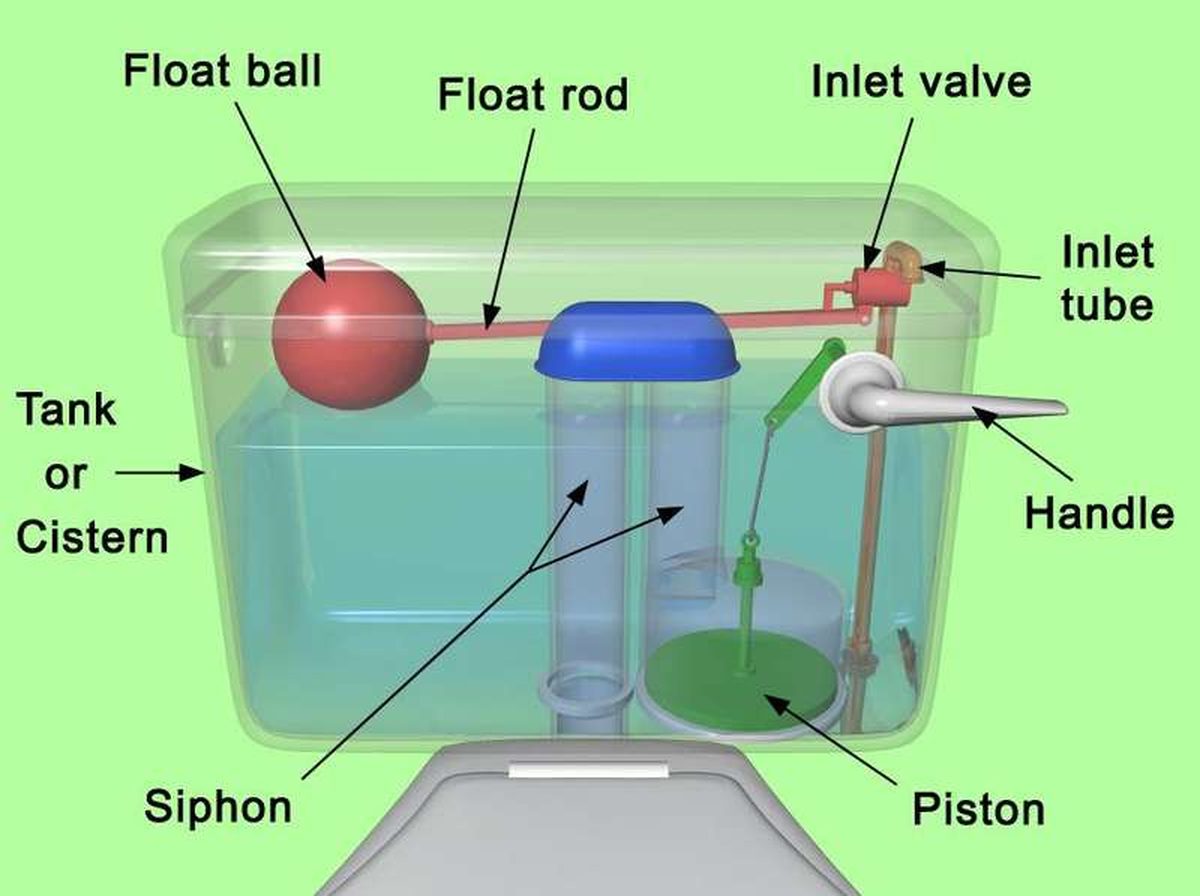
How to fix a running toilet without a plumber in 30 minutes
A running toilet can waste 200 gallons of water a day. Diagnose the flapper, float, or fill valve in two minutes, then fix it yourself
How to hang heavy shelves on drywall safely
Studs first, toggle bolts second, plastic anchors never for heavy loads. Weight ratings, installation steps, and mistakes that bring