
Why Water Boils Faster but Cooks Slower on a Mountain
Key takeaways
- Water boils when its vapor pressure equals the surrounding air pressure, so thinner mountain air makes it boil at a cooler temperature.
- In Denver, water boils at about 202°F instead of 212°F, so heat moves into food more slowly and cooking takes longer.
- Longer cooking times, a tight lid, or a pressure cooker compensate for the lower boiling temperature at altitude.
Boiling is not really about bubbles. It is the point where water gets hot enough that the pressure of its own vapor matches the pressure of the air pushing down on it. At sea level, those two forces balance at 100°C (212°F), so that is where water boils.
Climb a mountain and the air above you gets thinner, which means less weight pressing down on the pot. The water wins its push against the air sooner, so it starts boiling at a lower temperature. A pot can look fully ready while the water inside is 10 degrees cooler than you expect.
This article explains why water boils faster but cooks slower on a mountain, including how air pressure sets the boiling point, why cooler boiling water slows cooking, and what to do when cooking at altitude.
How air pressure sets the boiling point
The boiling point of water is set by a tug-of-war. Inside the liquid, heat gives water molecules energy to escape as vapor. Above the liquid, the atmosphere pushes back with its weight.
Boiling begins only when the vapor pressure inside the water equals the air pressure outside it.
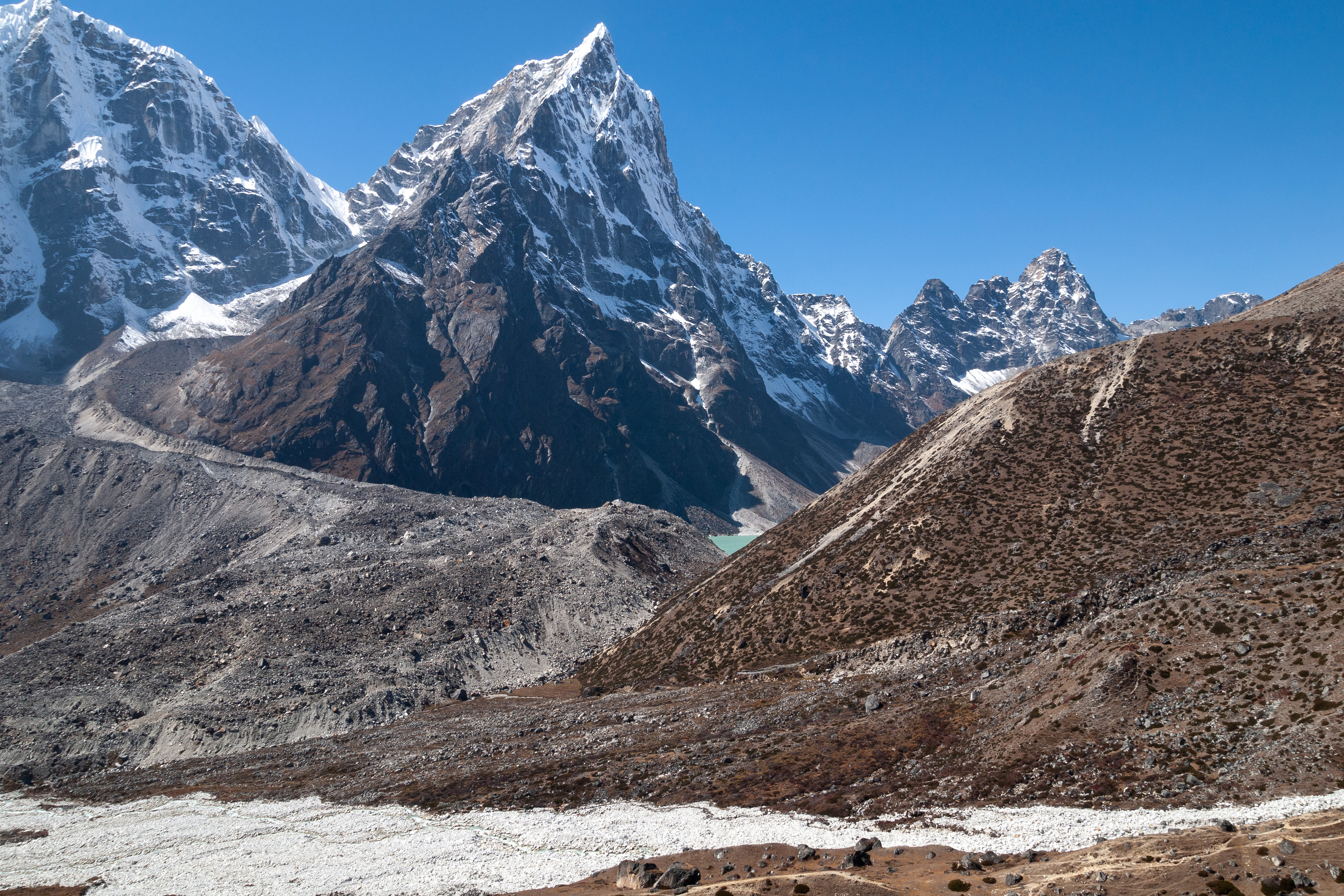
At sea level, the full weight of the atmosphere presses down at about 14.7 pounds per square inch, and water needs the energy of 212°F to push back. In Denver, a mile up, the pressure is only about 12 pounds per square inch, and water boils at roughly 202°F, according to the Pew Research Center.
The same tug-of-war plays out at every elevation in between. The numbers get dramatic at the extremes. In La Rinconada, a Peruvian mining town sitting above 16,700 feet, water boils at about 181°F.
On the summit of Mount Everest, at 29,029 feet, a rolling boil starts at roughly 162°F. Head the other direction, and Death Valley's floor, 282 feet below sea level, pushes the boiling point slightly above 212°F.
For everyday cooking, a handy rule from the USDA's high-altitude cooking guide says each 500-foot gain in elevation drops the boiling point by just under 1°F. That is why the effect feels like nothing on a hill and everything on a mountain. The pressure change is gradual, but it adds up.
Why cooler boiling water cooks food more slowly
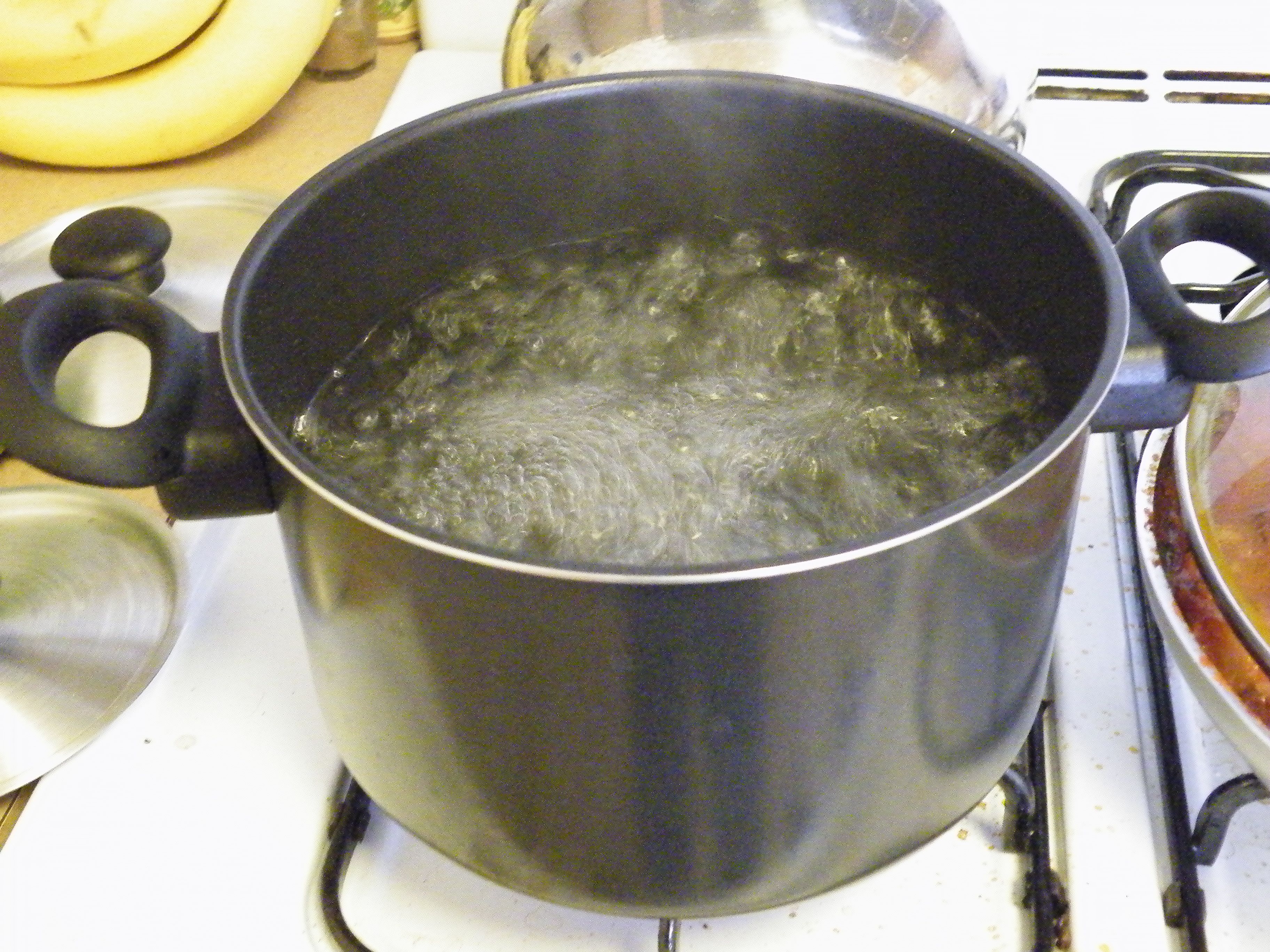
This is where most people get confused. Boiling harder does not mean the water gets hotter. Once water reaches its boiling point, extra heat just makes more steam.
It does not raise the temperature of the water by a single degree. Cooking, on the other hand, is all about temperature. Pasta softens, beans tenderize, and proteins firm up through chemical changes that run at specific rates for specific temperatures.
Drop the water temperature by 10°F and those reactions slow down, so the food needs more time in the pot. The USDA puts it plainly: at higher elevations, foods prepared by boiling or simmering cook at a lower temperature, and they take longer to cook.
The agency's guide gives a practical sense of the gap. At 5,000 feet, meats cooked by simmering or braising may need about one-fourth more time than at sea level.
Hard-cooked eggs also take noticeably longer because the water bath around them is simply cooler. Dry-heat methods like roasting barely change, since oven temperatures are far above the boiling point and do not depend on air pressure at all.
Steam suffers the same fate. Steam is only as hot as the boiling point that created it, so food cooked in vapor over a pot faces the same slower kinetics. This is one reason a slow cooker that keeps food safe all day relies on time and steady temperature rather than a hard boil.
What to do when cooking at altitude
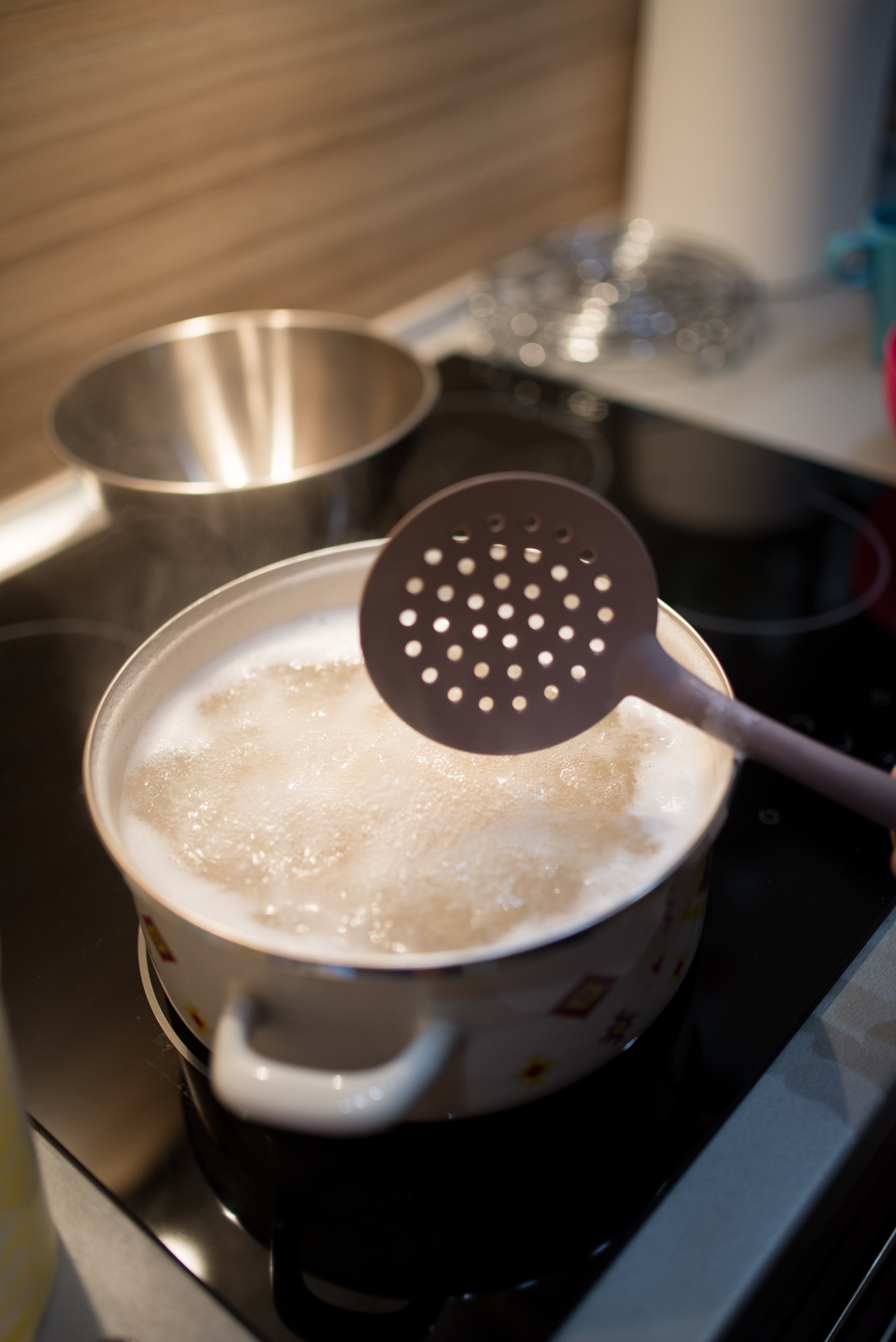
The simplest fix is time. Trust the thermometer or a taste test, not the clock written on the package, since those times were almost always measured at sea level. Boiled vegetables, rice, and pasta typically need a few extra minutes, while dried beans and tough cuts of meat can take dramatically longer.
A tight lid helps more than people expect. Trapping steam slightly raises the pressure and temperature right above the food, and it cuts down evaporation, which speeds up in dry mountain air. Soaking dried beans for several hours before cooking gives the cooler water a head start on softening starches.
A pressure cooker is the complete fix. By sealing steam inside, it pushes the pressure above sea-level levels and raises the boiling point past 212°F, so food cooks at least as fast as it would at sea level. That is why pressure cookers are standard kit in mountain kitchens.
There is one more altitude adjustment worth knowing. The Centers for Disease Control and Prevention recommend a rolling boil of one full minute to make water safe during a boil-water advisory, but extend that to three minutes at elevations above 6,500 feet. The longer time compensates for the lower temperature, the same principle that governs your cooking pot.
Pressure changes affect more than food. The same thinner air is behind why your ears pop on planes, and the body needs its own adjustment period, which explains why altitude sickness hits some people harder.
Frequently asked questions
Does adding salt raise the boiling point?
Yes, but barely. Dissolved salt raises the boiling point by only a fraction of a degree at the amounts used in cooking. It seasons the food, which is the real reason to add it.
It does not fix the altitude problem.
Why does my pasta still take longer if the water is already boiling hard?
A furious boil and a gentle simmer are the same temperature. Vigor tells you how fast steam is escaping, not how hot the water is. Pasta cooks at the water's temperature, and at altitude that temperature is lower no matter how hard it bubbles.
Does a pressure cooker really fix the altitude problem?
Yes. A sealed pressure cooker traps steam until the internal pressure climbs past sea-level pressure, pushing the boiling point above 212°F. Food then cooks at temperatures equal to or higher than at sea level, which is why mountain kitchens rely on them.
Is food cooked at altitude still safe?
Yes, as long as it actually reaches a safe internal temperature. The USDA advises using a food thermometer rather than boiling as a proxy for doneness, since boiling water at altitude is not at 212°F. Safe internal temperatures themselves do not change with elevation.
Why does baking change at altitude too?
Baking is a different mechanism. Lower pressure lets leavening gases expand faster, so cakes can rise too quickly and collapse, and liquids evaporate faster in dry air. Baking needs recipe adjustments, while boiling mostly needs extra time.
The bottom line
Water boils faster on a mountain because thinner air lets it boil at a cooler temperature, and food cooks slower because that cooler water transfers heat more gently. The USDA's rule of thumb is just under 1°F lower for every 500 feet of elevation, which adds up to real extra minutes in the pot.
Next time you cook up high, give food more time, keep a lid on the pot, and trust a thermometer instead of the clock. The physics never changes, but your technique can.
Latest in Science
- Why magnets attract some metals but not others
- Why Earth has seasons, and what the distance to the Sun has to do with it
- Why shadows have blurry edges
- How planes stay in the air
Get a new science explainer in your inbox every week by subscribing to the newsletter.
Image Credits: Wikimedia Commons / GRAN, Shixart1985, Vyacheslav Argenberg
Related stories
Why diamond is hard and graphite is soft when both are carbon
Diamond and graphite are both pure carbon, yet diamond is 10 on the Mohs scale and graphite is 1 to 2. The difference is not the atoms;
Why Hot Water Can Freeze Faster Than Cold: The Mpemba Effect Explained
Hot water can freeze faster than cold under specific conditions. The Mpemba effect, named for a 1963 schoolboy experiment, still divides
How Magnets Work at the Atomic Level: Spins, Domains, and Iron
Magnetism comes from electrons: their spin and orbits make each atom a tiny magnet. In iron, quantum forces align these atomic magnets into